
How to Fix Common Plumbing Issues: A DIY Guide
Understanding Your Plumbing System
Before tackling any plumbing issue, it's important to have a basic understanding of your plumbing system. Most homes have two main plumbing subsystems: one for bringing in fresh water and another for taking wastewater out. Familiarize yourself with the main water shut-off valve, which can be crucial in preventing water damage during a plumbing emergency.
Fixing Leaky Faucets
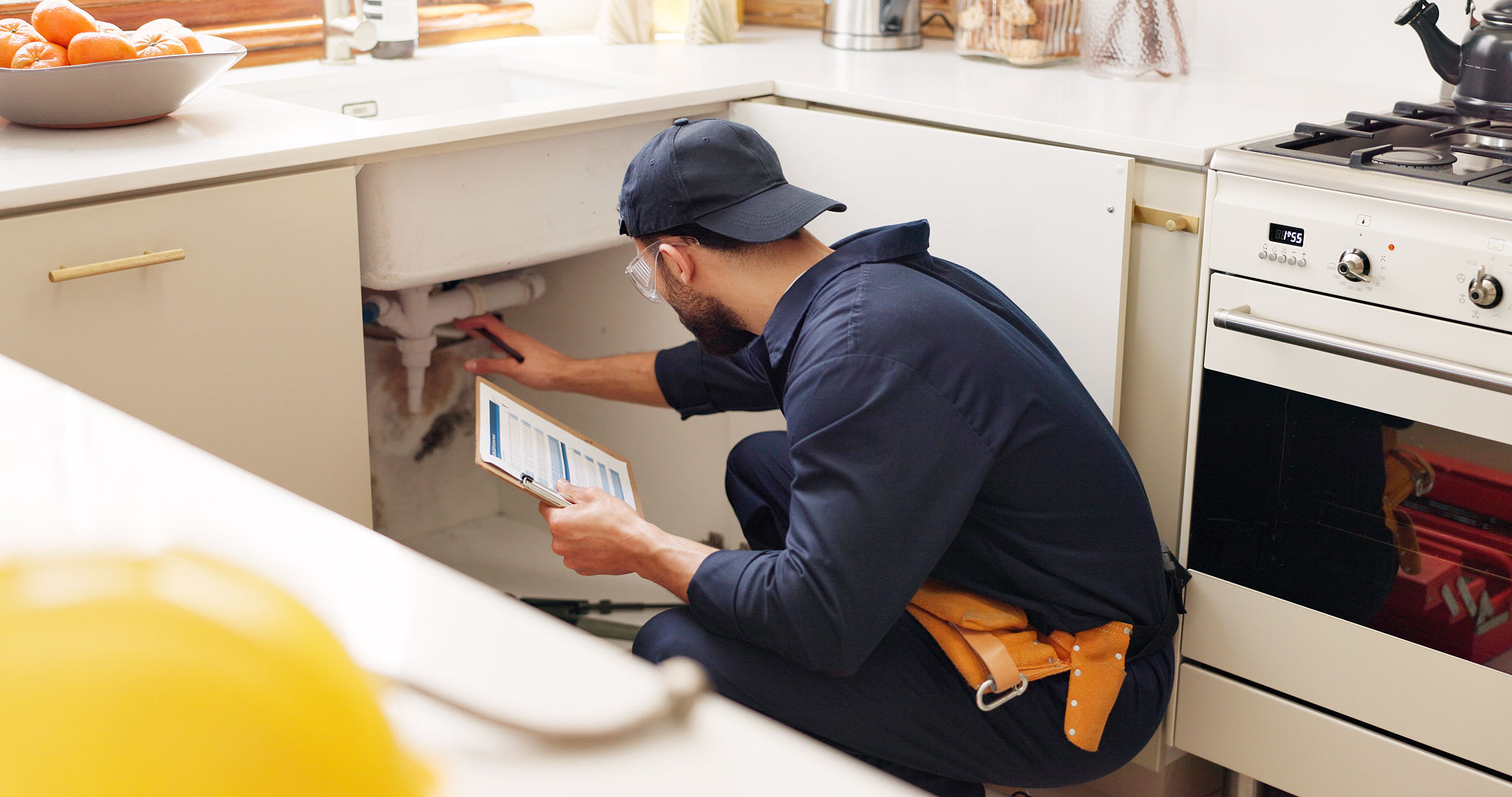
A leaky faucet is a common problem that can waste a significant amount of water. To fix it, first turn off the water supply to the faucet. Remove the handle by loosening the screw underneath. Once the handle is off, use a wrench to remove the packing nut. Replace the washer inside, as this is often the culprit. Reassemble the faucet and turn the water back on to check for leaks.
Unclogging Drains
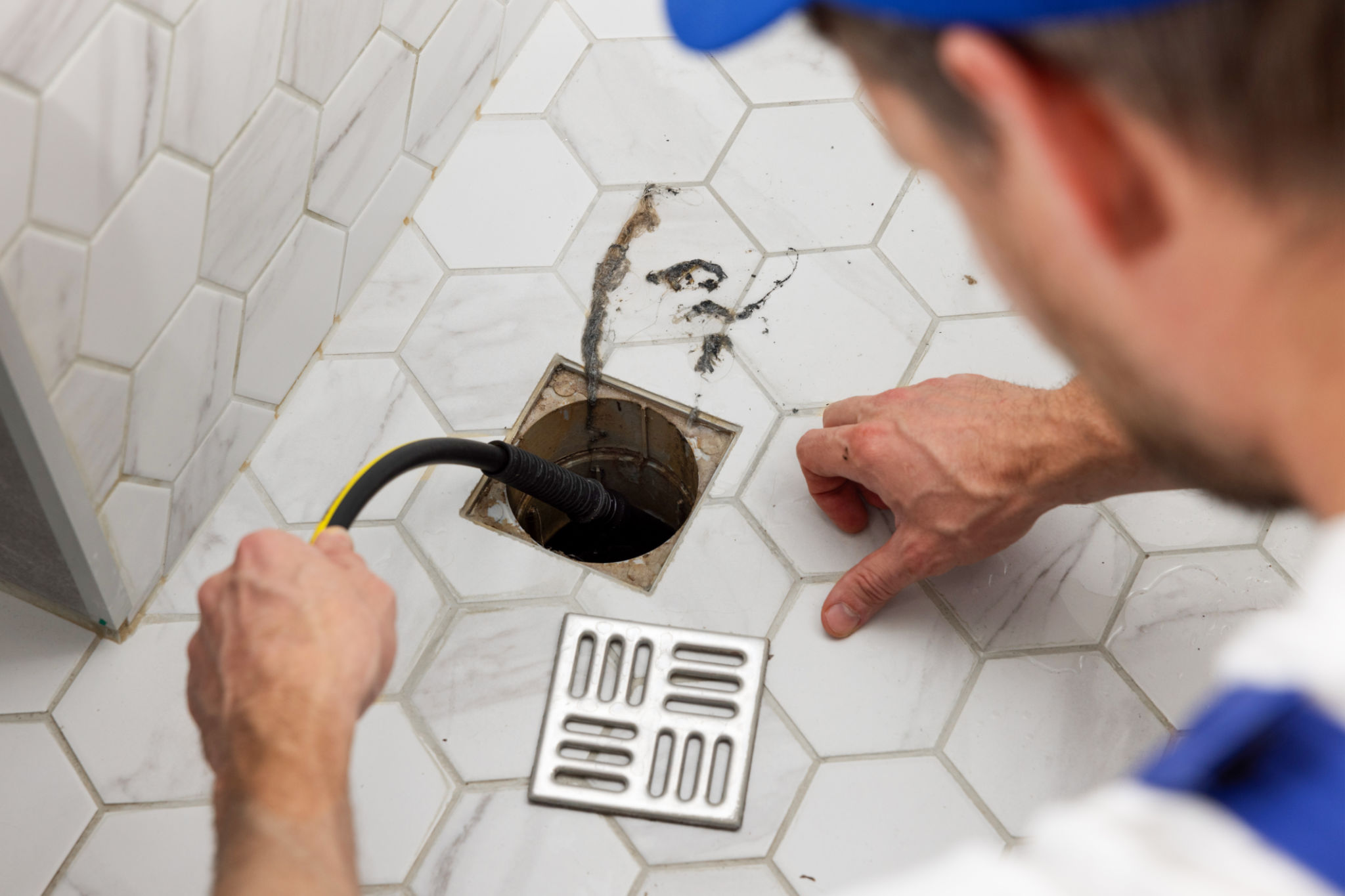
Clogged drains can be a hassle, but they are often simple to fix. Begin by using a plunger to dislodge the blockage. If that doesn't work, try a mixture of baking soda and vinegar. Pour half a cup of baking soda followed by half a cup of vinegar down the drain. Let it sit for a few minutes, then flush with hot water.
Dealing with Running Toilets
A running toilet can be both annoying and costly. The problem usually lies in the flapper valve. Remove the tank lid and inspect the flapper. If it's worn or damaged, replace it. Ensure the chain is not too tight or too loose, as this can prevent the flapper from sealing properly. Test the toilet by flushing to see if the issue is resolved.
Fixing Low Water Pressure
Low water pressure can be caused by several factors, including sediment build-up in pipes or a malfunctioning pressure regulator. Start by cleaning the aerator on your faucets. Unscrew the aerator and soak it in vinegar to dissolve any mineral deposits. If the problem persists, you may need to consult a professional to inspect your plumbing system.

Preventing Future Issues
Regular maintenance can prevent many common plumbing problems. Consider installing mesh drain covers to catch debris and hair. Regularly inspect pipes for leaks and damage, especially during cold weather when pipes are prone to freezing. Additionally, avoid pouring grease or oil down the sink, as these can solidify and cause blockages.
By following these DIY tips, you can tackle minor plumbing issues and save on repair costs. However, for more complex problems, it's always best to consult a professional plumber to ensure your home’s plumbing system remains in top condition.